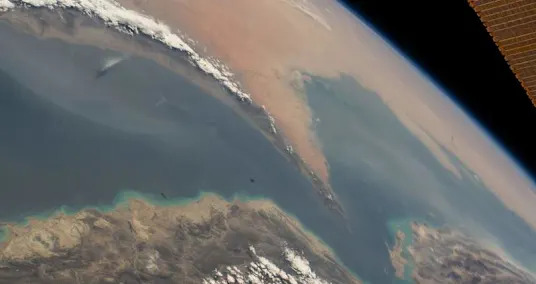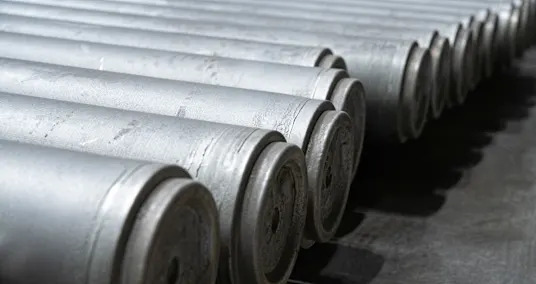
Fears of global aluminium shortages that could affect the production of clean energy technologies intensified after Iran struck two major Gulf aluminium producers, sending prices to a four-year high. The Middle East accounts for 9% of the world’s production of aluminum, which is essential to a wide range of industries from transportation, construction, and packaging, as well as the manufacture of solar panels, electrical transmission systems, wind turbines, and EVs.
Export shipments to the US and Europe had already come to a halt because of the effective closure of the Strait of Hormuz, and Morgan Stanley economists singled out aluminium as carrying a high level of risk across the value chain. Andy Farida, an aluminium analyst at Fastmarkets, told Semafor that high prices would be passed on to end-users, ultimately causing demand destruction. “A prolonged shutdown (with little to no alternative supplies other than Russia and China) could cripple the supply of aluminium to support the production of clean and green technology,” he said, adding that relief could come “if governments allow some sanctioned Russian and Chinese aluminium to be imported.”

LATEST POSTS




 Russia earning billions from Hormuz blockade, German trade body says
- Glen Powell will host 'Saturday Night Live' with Olivia Dean as musical guest: What to know ahead of their debut
- What to know about voluntary chocolate recall
- More people are addicted to marijuana, but fewer of them are seeking help, experts say
- Kona SUV: The Courageous Minimized That is Catching Hearts Around the world
- Archaeologists uncover details about the Hjortspring boat's origins
- Scientists map of old Mars river basins for the 1st time. These could be great places to search for ancient life
- 'Crammed into a cell with vermin at New Year'
- The Developing Nearby Food Development and Its Advantages